
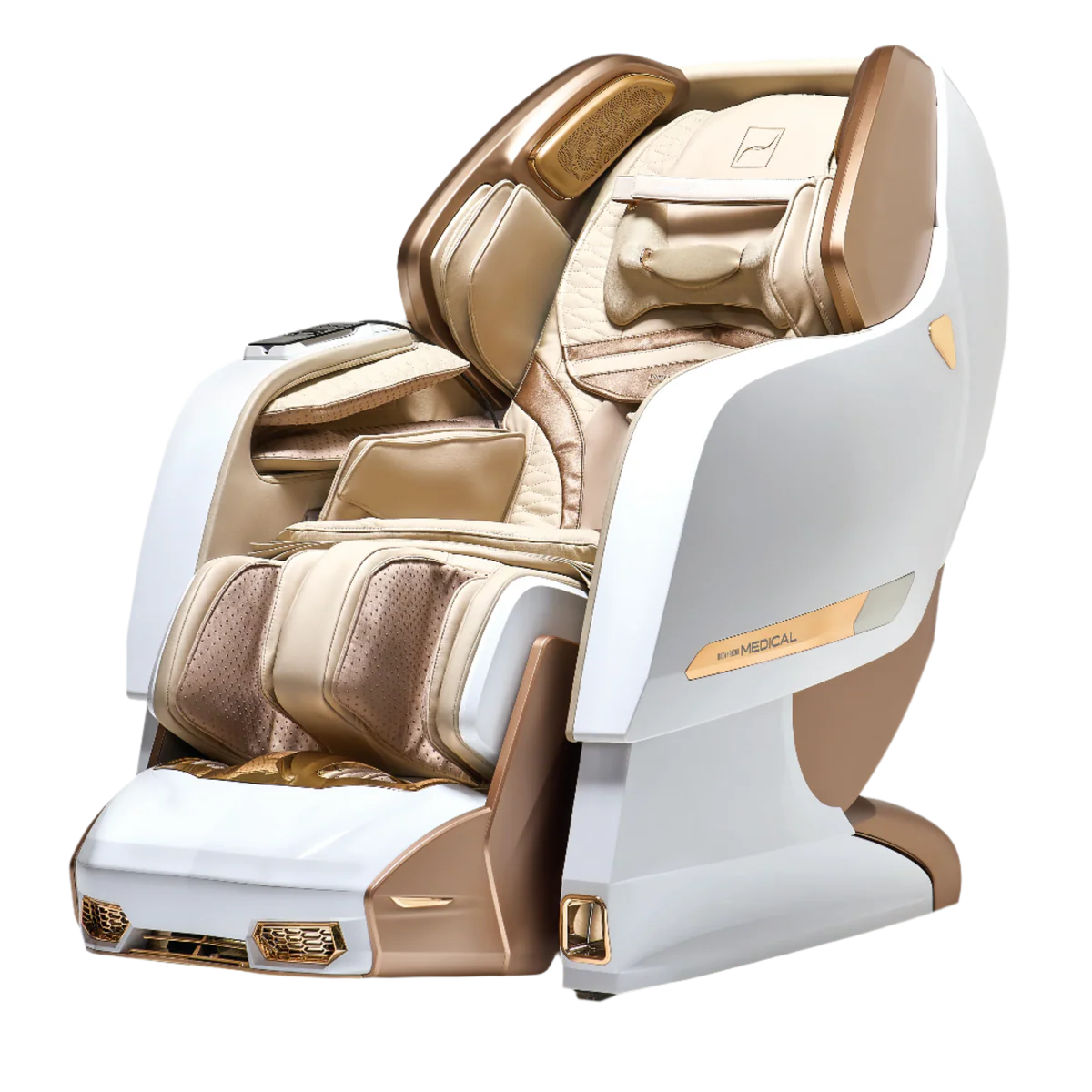
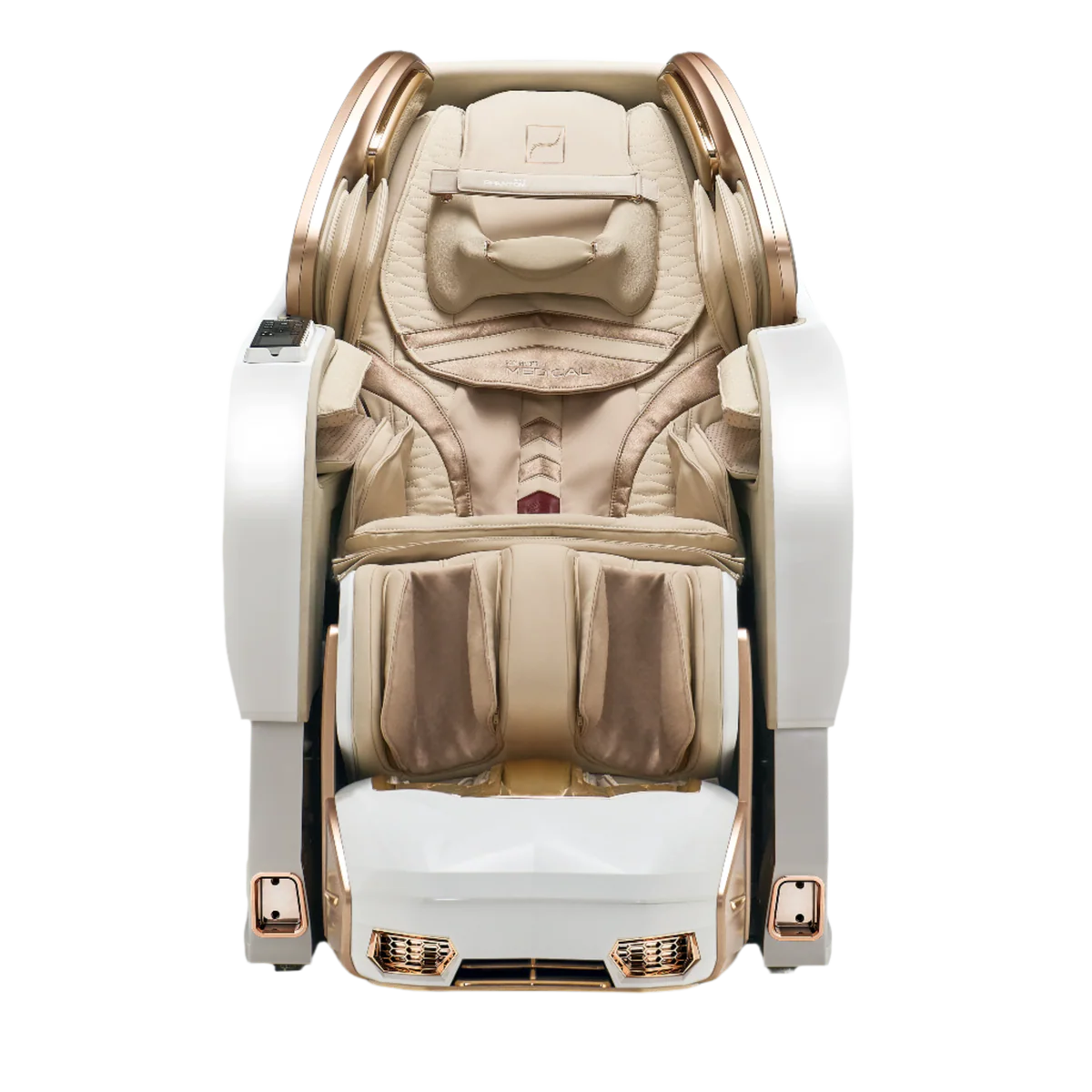
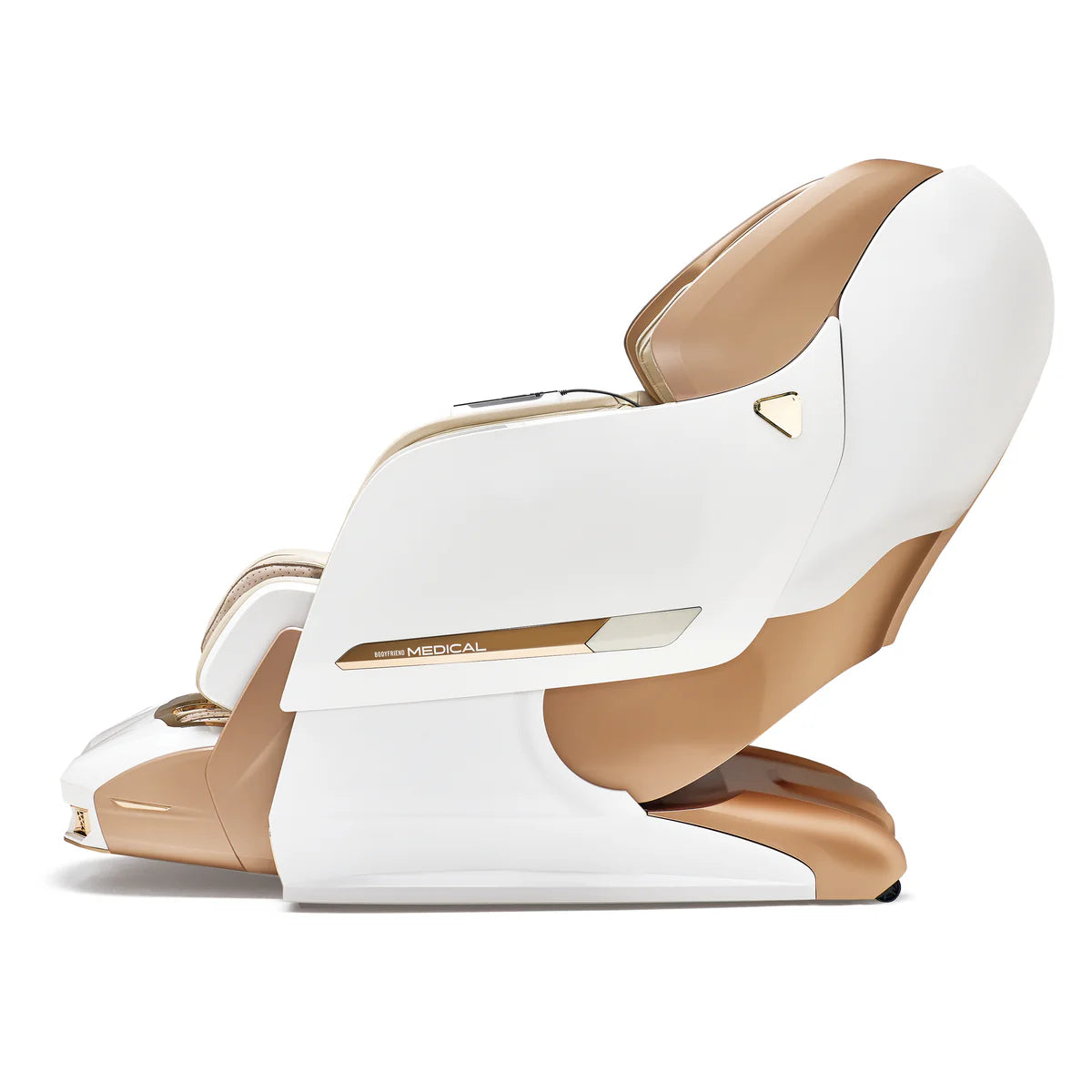
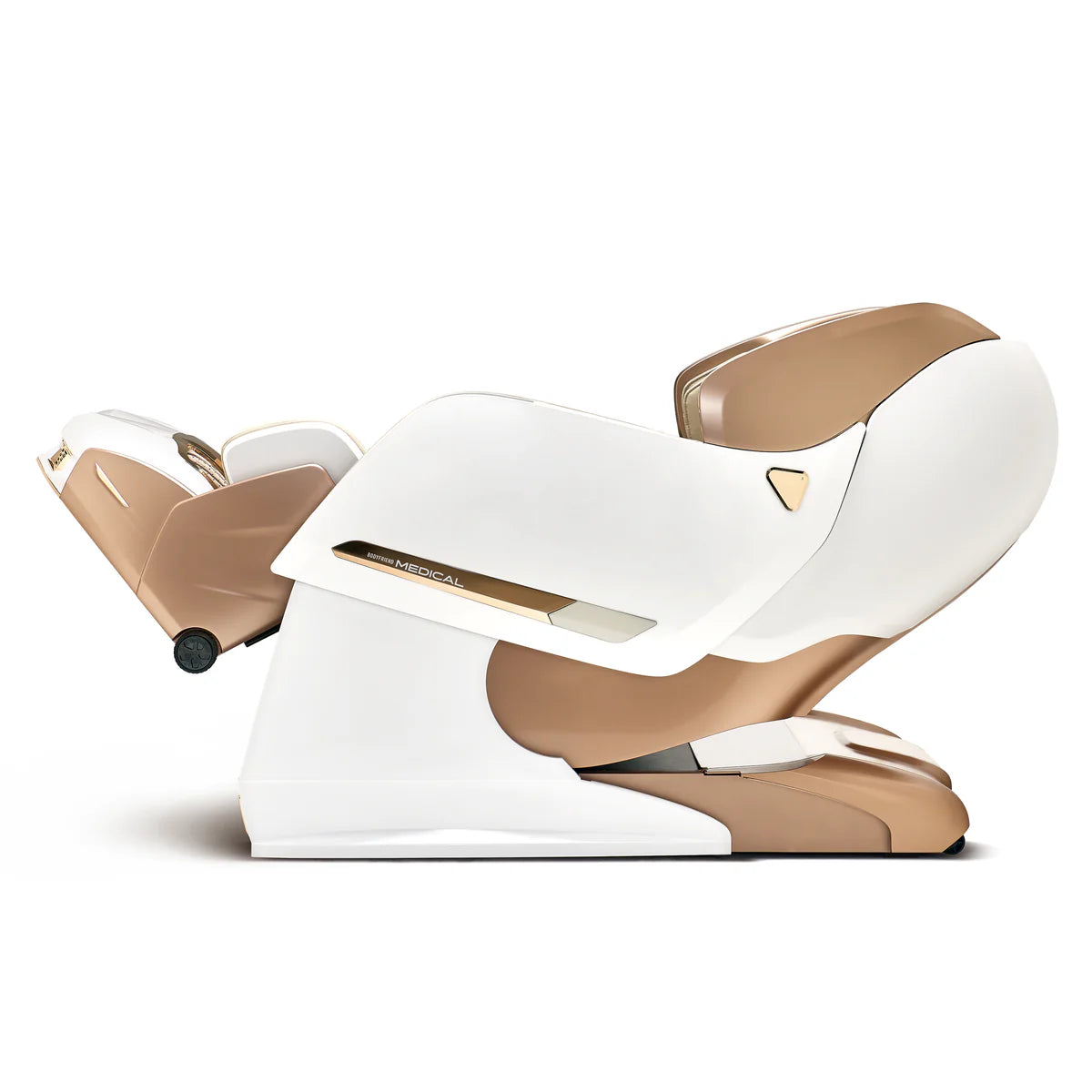


MEDICAL PHANTOM
PAIRING THERAPY FOR LOWER BACK INJURY TREATMENT WITH FULL-BODY MASSAGE
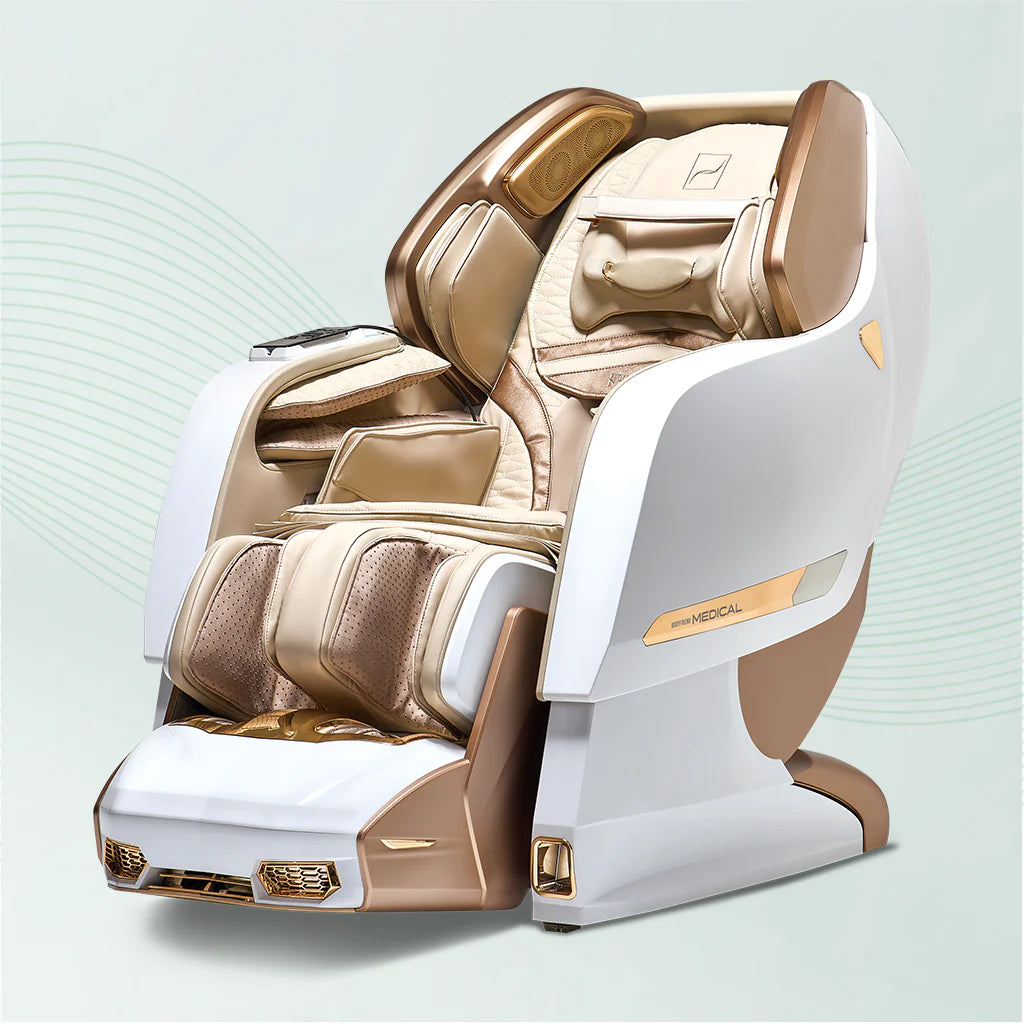
Home Healthcare Device for Lumbar and Cervical Spinal Herniation Treatment
Point 1. Lumbar Spinal Herniation and Degenerative Stenosis Treatment via Mechanical Therapy.
By stretching the lumbar spine, it focuses on managing the area around the waist.
Point 2. Cervical Spinal Herniation and Degenerative Stenosis Treatment via stretching
Inflating and deflating the airbag in the cervical Stretch unit, it stretches the neck, concentrating on managing the area around the neck.
Point 3. Muscle Pain Relief
Inflating and deflating the airbag in the cervical Stretch unit, it stretches the neck, concentrating on managing the area around the neck.
Point 4. Heat Sheet
The heating sheet for the thoracic and lumbar regions can rise up-to 113°F, increasing blood circulation through gentle and warm massage to relieve muscle pain.
What is PEMF (Pulsed Electromagnetic Fields)?

It is a combination system of the XD-FLEX module, which responds to the user's pressure (sensing the user's shoulder height and adjusting to the spinal curvature, etc.), and the PEMF electromagnetic field generator, the XD-PEMF module. The XD-PEMF module moves along the spinal line (cervical vertebrae, thoracic vertebrae, lumbar vertebrae, pelvic vertebrae) and generates an electromagnetic field to relieve muscle pain.
Lumbar and Cervical Spinal Herniation Treatment and Muscle Pain Relief!Medical Phantom's Medical Device Program
Utilizing User-specific Body Sensing, Vibration, and Pressure Stimulation

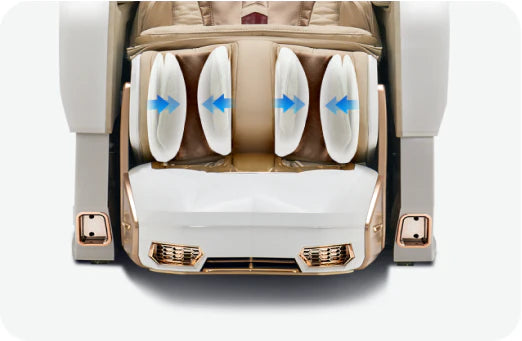
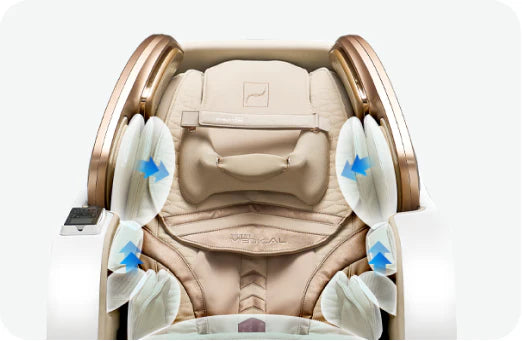
Pressure stimulation on the palm and wrist, as well as vibration and pressure stimulation on the posterior neck and trapezius muscles.
Thigh, Pelvis, Calf, Foot Airbag Pressure Stimulation
Calf, Foot Roller Pressure Stimulation
Recommended for these individuals: 19 medical device modes
We recommend Medical Phantom for those experiencing the following symptoms
Experience pain when walking with a pigeon-toed gait or using the heel of the foot.
Notice changes in gait, such as shuffling while walking.
Experience more pain in the waist when walking for an extended period or going down stairs than usual.
Feel weakness in the legs, ankles, or toes.
Experience symptoms of calf or toe tension when lying down and straightening the knees, or not being able to lift the legs more than 45 degrees.
Feel increased pain when sneezing or moving the waist.
Find it difficult to sit for long periods or lie down straight due to pain.
Experience urinary or fecal incontinence symptoms due to severe pain.